
In today’s fast-paced world, knowing how to respond in an emergency can save lives. Imagine being in a situation where someone suddenly collapses or needs urgent medical help.

Digital training makes it easier for everyone to master important skills. It can help reduce the overwhelm of knowing what to do. Modern methods of instruction, such as online courses and interactive simulations, are changing the game in how we learn important response skills. Read on.
What is Digital Training?
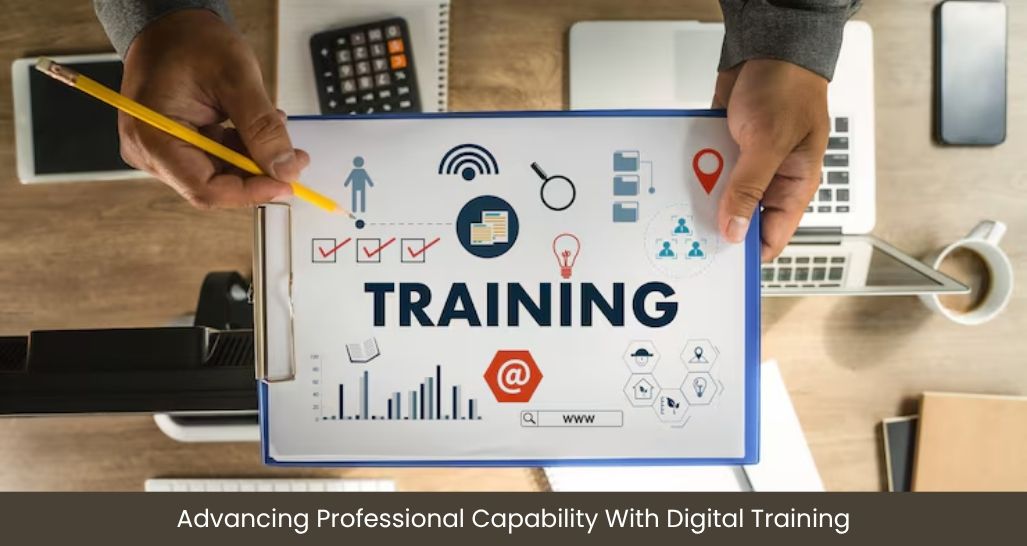
Digital training refers to the use of technology to deliver educational content. This can include online courses, videos, and even virtual reality simulations. The benefit of digital training is that it allows learners to study at their own pace and in a comfortable environment.
Benefits of Digital Training in Emergency Preparedness
Digital training offers numerous advantages when it comes to learning vital response skills, such as:
- Flexibility
- Accessibility
- Cost-Effective
- Interactive Learning
With digital training, you can access a wealth of information at your fingertips. Courses often include videos that demonstrate techniques and quizzes that reinforce learning, helping users to better retain the information.
How Digital Training Simplifies Learning
Learning through digital platforms can simplify complex subjects. For example, when learning CPR through digital training, students can watch instructional videos to see step-by-step techniques.
Additionally, they can practice with virtual simulations that mimic real-life scenarios. This hands-on experience builds confidence and prepares learners for actual emergencies.
Real-Life Applications of Digital Training
Let’s consider some real-life applications where digital training makes a difference. Many schools and organizations are incorporating online safety courses into their training programs. These programs help both students and staff know how to act during emergencies, such as fire, severe weather, or medical crises.
For instance, one common scenario is a student fainting in a classroom. Knowing CPR and first aid can enable fellow students or teachers to take action until professional help arrives. Digital training equips them with the skills they need and specifies clear, step-by-step instructions for each situation.
Challenges and Solutions with Digital Training
While digital training offers significant benefits, some challenges exist. Not all learners have the same access to technology, which can create a barrier to education. Also, the lack of hands-on instruction could make some skills difficult to learn through digital means alone.
To address these challenges, many programs are incorporating hybrid models. Hybrid training combines online learning with in-person practice sessions.
If you’re interested in advancing your emergency response skills through digital training, there are many options available. Start by looking for accredited online courses that offer certification. Websites like https://cprcertificationnow.com provide a variety of classes ranging from basic first aid to advanced life support. These courses often include video lessons, practice scenarios, and assessments to help reinforce your learning.
Getting Started with Digital Training
In summary, digital training is revolutionizing the way we acquire essential skills needed for real-world emergencies. With its flexibility and accessibility, anyone can obtain the knowledge necessary to tackle urgent medical situations with confidence. Embracing digital training can empower you to respond effectively when it matters most.
For more helpful tips, check out the rest of our site today.