
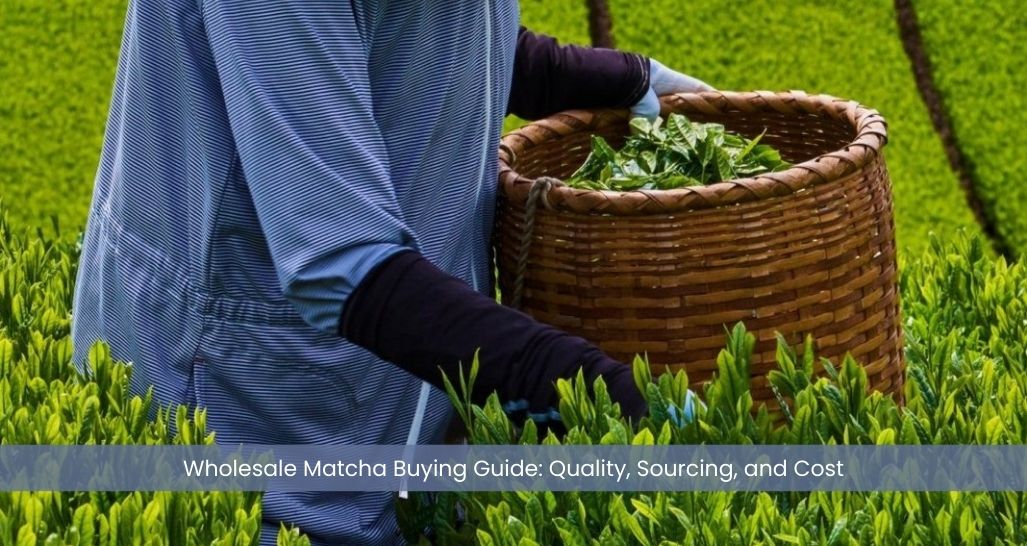

Interest in finely ground green tea powders has grown steadily over the past few years. What once felt niche now appears in cafés, packaged drinks, and wellness products worldwide. This shift is not temporary. The global matcha market is projected to reach USD 7.43 billion by 2030, underscoring continued strong demand across industries. For many businesses, this growth signals a move from trial to long-term sourcing.

As demand rises, bulk purchasing becomes more appealing. Buying larger quantities can reduce costs, but it also brings new challenges. Quality differences become easier to notice. Sourcing details carries more weight. Pricing can feel unclear without context. This guide explains how to evaluate quality, understand sourcing, and assess cost in a simple way. The goal is confident decisions that support consistency and long-term value.
What Separates Matcha From Regular Green Tea
Matcha and green tea come from the same plant, but they are used very differently. Green tea leaves are steeped in water and then removed. In contrast, the powdered form is consumed whole after being finely ground. This changes how flavor, texture, and strength are experienced. Because the entire leaf is used, quality standards become more important. Understanding this difference helps buyers set realistic expectations before purchasing in larger quantities. It also explains why sourcing and processing details deserve closer attention.
Growing methods further separate the two types. When comparing matcha vs green tea, shading before harvest plays a key role in color and taste development. This process increases chlorophyll and amino acid levels, resulting in a smoother profile. Green tea does not follow the same approach. In this context, brands like Hugo Tea Company help clarify how cultivation and processing choices influence final quality. These distinctions guide better decisions at the wholesale level. They also help buyers align product quality with customer expectations.
Key Quality Indicators in Wholesale Matcha
When looking at wholesale matcha, a few simple signs can tell a lot. High-quality powder typically has a bright green color, reflecting careful cultivation and processing. Dull or yellow shades often mean lower quality. Texture is another easy check. Fine powder blends smoothly, while gritty powder can feel rough and uneven. The taste should feel balanced, with a mild savory note and light sweetness. Strong bitterness is usually a warning sign. Even texture helps ensure consistent results in drinks and recipes.
Quality also depends on safety and handling. Trusted suppliers share lab testing and certifications to confirm purity. These checks help ensure the powder is clean and fresh. Clear testing details also show care in processing and storage. For buyers ordering in larger amounts, this transparency matters. It reduces surprises and helps maintain steady quality over time.
Understanding Grades and Intended Use
Matcha is usually grouped by how it will be used rather than strict quality labels. Understanding this difference helps buyers avoid costly mistakes. Some powders are meant to be enjoyed on their own. Others are designed for blending or cooking. Choosing the wrong type can affect taste, color, or customer experience.
Common categories include:
- Ceremonial-focused powders for drinking straight
- Culinary-focused powders for lattes and recipes
- Ingredient-grade options for packaged products
Each category varies in flavor depth, color strength, and price range. Selecting the right option ensures reliable results. It also supports consistency across menus or product lines.
Cost Factors Buyers Should Evaluate Carefully
Pricing can vary widely when purchasing in bulk. Lower prices may look attractive at first glance. However, cost should always be weighed against quality and consistency. Very cheap powders often sacrifice freshness or flavor.
Key factors that influence pricing include:
- Farming methods and harvest yield
- Grinding technique and equipment quality
- Storage, packaging, and shipping conditions
Volume discounts can help manage expenses over time. Seasonal harvest cycles also affect availability. Buyers who balance cost with reliability usually see better long-term value. Consistency matters more than short-term savings.
Packaging and Storage Considerations
Packaging plays a major role in protecting quality after purchase. Matcha is sensitive to light, air, heat, and moisture. Without proper packaging, color fades and flavor weakens quickly. High-quality containers help preserve freshness longer.
Storage practices matter just as much. Matcha should remain sealed and stored in a cool place. Moisture exposure can cause clumping and taste changes. Clear handling guidelines support consistency across teams. These details become critical when managing larger quantities. Good packaging and storage protect both quality and investment.
How to Evaluate a Wholesale Supplier
Choosing a supplier involves more than comparing prices. Communication style often reveals reliability early. Clear answers show experience and transparency. Vague responses can signal future problems.
Buyers should ask about sourcing, testing, and batch consistency. Sample orders allow practical evaluation before commitment. Reliable suppliers explain timelines and handling clearly. Long-term success depends on shared expectations. A careful evaluation process reduces surprises later. Strong supplier relationships support stable growth and dependable quality.
Conclusion
Bulk purchasing works best with informed choices. Understanding quality indicators prevents disappointment. Clear sourcing details support consistency. Thoughtful cost evaluation protects long-term value. Matcha performs best when selected with purpose. Each step builds toward better outcomes. With the right approach, buyers gain confidence and stability. Careful evaluation turns wholesale purchasing into a reliable advantage rather than a risk.


