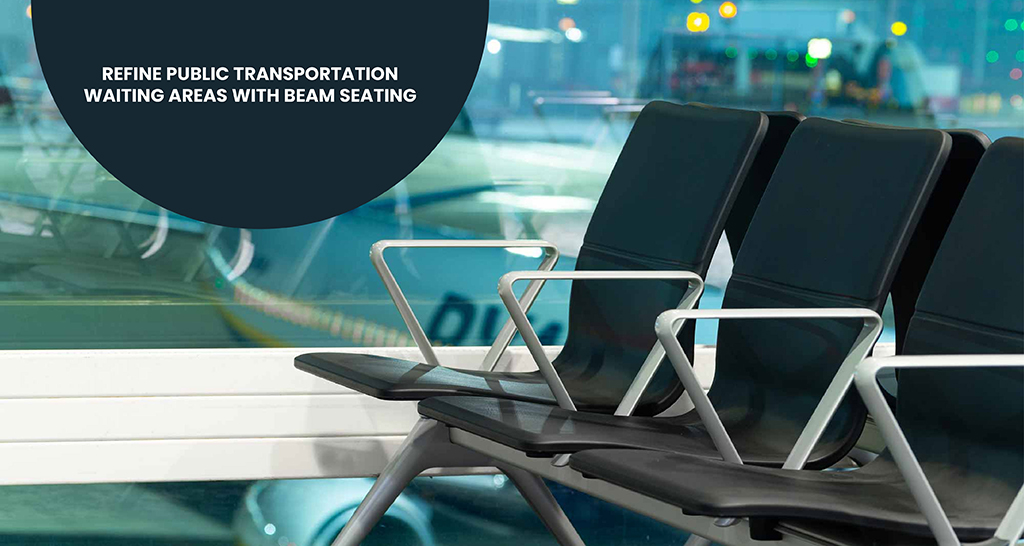

Ever been to a bus stop or train station, wishing there was something to sit down on?

Public transportation waiting areas are often overlooked in the conversation about infrastructure and rider experience. Transit authorities delivered 7.7 billion passenger trips in 2024, and every one of those began in a waiting area.
The problem:
Waiting areas for public transportation are usually of poor quality. Harsh, uncomfortable seating, inefficient layouts, and unorganized space planning create an uncomfortable pre-ride experience for millions of passengers every day.
The good news? There’s a solution that’s quickly becoming standard in transportation hubs all over the world…
Beam seating solutions.
Transportation hubs are installing these connected seating systems to upgrade the waiting experience from cramped bus shelters to large train stations. Beam seating units provide comfort and functionality in a single, easy-to-install system, making them a smart investment for any public transportation waiting area looking to upgrade passenger satisfaction.
Here’s what we’ll cover:
- Why beam seating matters for passenger experience
- Key benefits of beam seating in transportation hubs
- How beam seating solves waiting area problems
- Tips for successful implementation
The Need for Waiting Area Solutions is Growing
Let’s talk about numbers for a minute.
US public transit ridership has rebounded to 85% of pre-pandemic numbers. With millions of passengers using some form of public transport on any given day, waiting areas are under more pressure than ever to provide comfortable, functional spaces.
And here’s something most transit authorities don’t think about…
The waiting experience impacts passenger satisfaction and overall ridership. When a passenger has a good experience while waiting for their transport, they are much more likely to choose to take public transportation over driving.
What sets beam seating apart?
Beam seating isn’t just a row of chairs stuck together. It’s a seating solution engineered for high-traffic public spaces.
Seats are connected to a single beam structure to form a multi-seat connected system. Beam seating solutions help to maximize capacity while maintaining high levels of comfort.
Think about it: individual chairs take up more space and leave gaps. They’re also harder to maintain. Beam seating gets rid of these inconveniences by integrating all of the elements into a single cohesive system.
The result is increased seating capacity in a given space while also making your passengers more comfortable.
Beam seating solutions are space efficient because they allow you to fit more passengers in a comfortable and organized way.
Transportation hubs are often faced with the dilemma of how to fit peak-hour crowds without making your space feel overly crowded in off-peak times.
Beam seating provides a solution by increasing the number of seats per square foot. As the seating is connected to a shared structure, you can fit more seating capacity into your waiting area while still avoiding a cluttered space.
Here’s the importance of this:
During rush hour, every seat will count. Passengers wait for their connecting transport, especially after long journeys. Beam seating ensures that you can maximize the number of people you accommodate comfortably, even when crowds swell.
Beam seating is modular in nature. It can be configured according to your needs. Whether you need a 3-seat unit for a small bus stop or an 8-seating configuration for a major terminal. It can be easily customized.
Durability In The Face Of Heavy Use
If you want to know what makes a good public seating vs great public seating…
Durability.
Transportation waiting areas see heavy daily usage. Thousands of passengers sit, shift, and move around during the day. Harsh weather, vandalism, and general wear-and-tear can all take a toll on waiting area infrastructure.
Beam seating is made to withstand all of this. The frame is usually made of heavy-duty steel or aluminum for extra support. Weather-resistant materials are used for outdoor installations. Vandal resistant designs have fewer moving parts that can break or become damaged. Easy-to-clean surfaces are resistant to stains.
This results in low maintenance costs over time and few interruptions in the passengers’ experience.
Beam seating enhances passenger flow and waiting area organization.
Passenger flow is something that transportation planners are well aware of. The passenger’s ability to easily move through the waiting area makes or breaks a facility’s efficiency.
Beam seating creates a sense of organization in a waiting area. The linear nature of the seating creates defined waiting areas for passengers. Passengers will naturally understand where to sit, where to queue, and where to move when their transport arrives.
Beam seating can be positioned strategically to guide passenger movement within a facility. Placing it next to information boards, along the platform, or in marked waiting areas create an intuitive waiting area that passengers can navigate with ease.
Accessibility & Universal Design
Ok, we have to be honest here for a second.
Public transportation needs to be accessible to everyone. This includes people with mobility issues, the elderly, and families with small children.
Beam seating can be configured to offer solutions for people from diverse accessibility needs. Most installations come with a range of features that support different accessibility requirements:
- Armrests for support in sitting and standing
- Spaces designated for wheelchair users
- Seats at different heights for people with different abilities
- Clear lines of sight for the visually impaired
These make sure that every passenger using your facility feels accommodated.
Beam seating can be one of the most cost-effective waiting area solutions for transit authorities.
Let’s face it, when it comes to public infrastructure budget every dollar matters. Transit authorities are always looking for value for money solutions.
Beam seating comes in at a high ROI. The low installation costs is one installation for multiple seats, bringing down labor costs. Fewer components and moving parts mean little can be damaged or need repairing.
Beam seating that is made of quality material can last for 15-20 years with very little maintenance. This makes it a very cost-effective long-term investment for transit authorities. More passengers per square foot also results in more efficient waiting areas.
Passengers are most likely to value the comfort they experience when they’re waiting for their ride. Ergonomically designed beam seating offers back support, seat depth, and positioning that make the wait more comfortable. When passengers are more comfortable they are more patient with delays and more satisfied with their overall transit experience.
And one more thing…
Beam seating can add to the visual appeal of your waiting area. The sleek, modern design, clean lines, and quality materials make the facility appear to care: “We care about you and your experience”
When passengers perceive the facility to be well-maintained and well-designed, they trust the transit service and this can lead to continued ridership.
Tips For Implementing Beam Seating
If you’re looking to introduce or upgrade your waiting area with beam seating, here’s what you should know.
Assess your space. Analyze your waiting areas and passenger flow. Where are crowds located? Where is congestion at peak times?
You should position your beam seating to help ameliorate these waiting area challenges. You should create clear pathways between different seating areas and the boarding zones. You should also ensure that your seating has enough space for people with luggage or mobility issues.
Look for suppliers who understand the special needs of transportation. Opting for the cheapest option may not be in the long term’s best value. Quality is important as the main aim is to keep passengers as comfortable as possible.
Final Words
Beam seating solutions are quickly becoming the standard in public transportation waiting areas all over the world. They offer a potent combination of efficiency, durability, and passenger comfort that more traditional waiting area solutions can’t match. With ridership numbers going up by the day, it is not an option but a necessity that transit authorities invest in quality waiting area infrastructure.
Beam seating enables transit authorities to:
- Fit more passengers into existing spaces
- Save on long term maintenance costs
- Enhance passenger comfort and satisfaction
- Create more organized and efficient waiting areas
- Accommodate passengers with diverse accessibility needs
The conclusion is simple, waiting areas can lead to happy passengers, and happy passengers mean increased ridership and a more successful public transportation system.
Your waiting area is the first thing that passengers experience with your transit service. Ensure that they have a good experience by using beam seating solutions that put their comfort and your operational efficiency first.