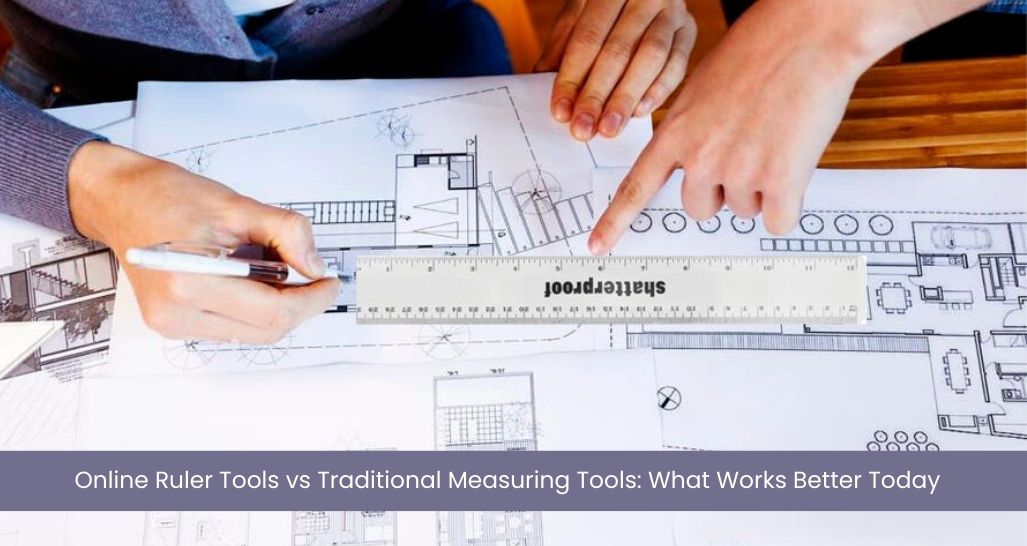

Measuring things seems simple until accuracy suddenly matters. A small error can affect design, planning, or daily tasks. In modern life, people measure both digital objects and physical items. Screens dominate workspaces, while hands-on projects still exist at home and on sites.

This mix creates confusion about which option works best today. Some people trust digital solutions for speed. Others rely on physical gear for stability. The real answer depends on context, not habit.
This article explains how modern and physical measurement options differ. It breaks down where each one fits best. By understanding these differences, readers can choose confidently. The goal is clarity, not technical complexity. Every section builds step by step toward smarter decisions.
How Online Ruler Tools Fit Modern Digital Work
Digital workspaces have changed how people measure things every day. Screens now replace paper layouts, printed drafts, and physical mockups. Designers, students, and remote teams regularly need fast measurements without leaving their desks. In these situations, opening a browser feels easier than searching for physical tools. Measuring images, layouts, or documents directly on a screen saves time. It also reduces interruptions during focused work. Digital measuring tools fit naturally into workflows built around laptops, tablets, and shared files.
For these tasks, tools like an online ruler make measurement quick and accessible without extra setup. This approach works especially well for screen-based checks, digital previews, and early planning stages. The ruler’s simplicity allows users to measure instantly with the device already in front of them. That convenience supports faster decisions and smoother collaboration. When accuracy needs stay within digital boundaries, this method feels practical and efficient.
Where Physical Measuring Tools Still Perform Best
Hands-on projects demand equipment that works anywhere. Physical measurement tools remain essential in real-world environments. Construction areas, workshops, and outdoor spaces introduce dust, moisture, and rough handling. Screens struggle under these conditions. Physical tools continue working without delay. Their durability supports tasks that require consistent results over time. Measuring wood, walls, or metal feels more stable with a tangible reference. This reliability builds trust during demanding work.
Physical options remain useful because of their simplicity. They do not rely on batteries or software updates. They work instantly when picked up. Common situations where they perform best include:
- Large room or surface measurements
- Outdoor or wet environments
- Tasks requiring steady hand alignment
In these scenarios, physical tools reduce risk. They support accuracy through direct contact. That dependability explains why they remain widely used today.
Accuracy and Precision in Everyday Use
Accuracy depends on how and where the measurement happens. Digital options rely on screen resolution and calibration. When displays are set correctly, results remain consistent. However, screen size differences can affect outcomes. Users must remain aware of these limits. Physical tools face different challenges. Wear over time can slightly change accuracy. Bending, stretching, or fading marks can introduce small errors.
Precision matters most when tasks become detailed. Digital options handle small, on-screen elements well. Physical tools perform better for larger spans and depth. Neither option is perfect in all cases. Accuracy improves when the right tool matches the task. Understanding limits prevents frustration. Choosing based on the environment helps avoid mistakes. Measurement becomes reliable when expectations align with conditions. This balance ensures results stay trustworthy without overthinking the process.
Convenience, Setup, and Daily Practical Use
Convenience shapes daily choices more than people realize. Digital options require only a device and internet access. No storage space is needed. Updates happen automatically. This suits fast-paced routines. Physical tools must be stored, carried, and remembered. They work without power, which helps during long projects. Each option saves time differently.
Daily practicality often depends on workflow habits:
- Digital options favor system-based tasks
- Physical options suit movement and field work
- Each reduces effort in specific settings
Ease of use also matters. Digital tools may include extra features. Physical tools remain straightforward. The right choice reduces setup time and stress. Convenience improves when tools fit routines naturally. That alignment makes daily tasks smoother and more efficient.
Conclusion
Measurement continues to evolve with changing work habits. Digital solutions support speed and screen-based tasks. Physical tools deliver strength and reliability in demanding spaces. Neither option replaces the other completely. Each serves a clear purpose. The better choice depends on the environment and expectations. By understanding how both options function, readers avoid frustration. Matching the tool to the task improves accuracy and confidence. Modern work benefits from flexibility, not strict preference. Using the right option at the right time keeps results consistent and dependable.