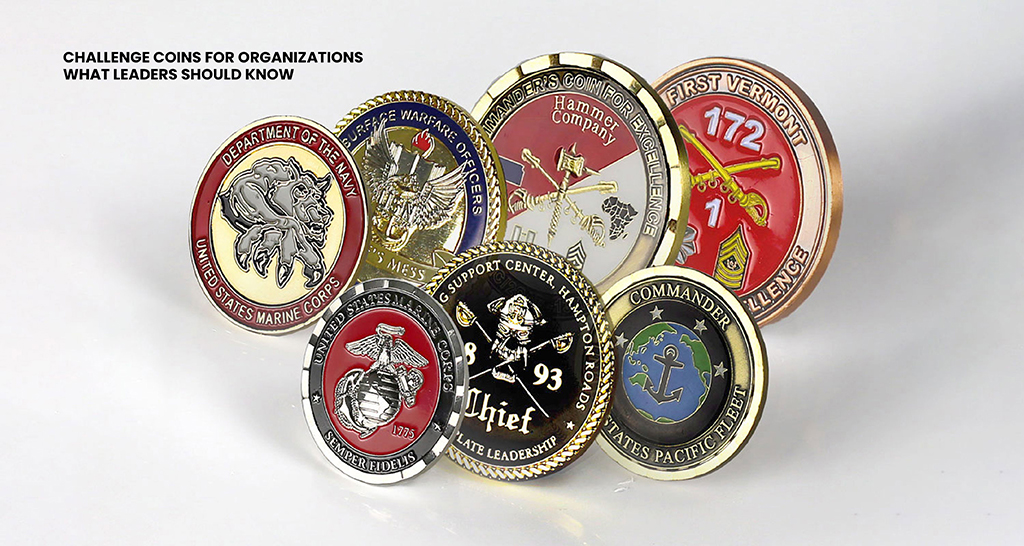

You can spot the moment a coin appears in a meeting or hangar. People straighten up, a few smiles appear, and the room pays attention. The gesture is brief, yet the memory lasts far beyond the day’s announcement.

For organizations outside the military, the same ritual works with the right intent and execution. The Challenge Coins 4 Less company produces custom coins at scale, which helps leaders match design, quantity, and budget with clear goals. The coin is not the point, the message you attach to it is the point.
Where Challenge Coins Fit In Modern Organizations
Coins work best when they anchor a shared story. That might be a product launch that shipped on time, an audit passed cleanly, or a safety milestone achieved. The coin becomes a portable receipt for the effort and the outcome.
They also help managers recognize work that often goes unseen. Think of a plant maintenance team that prevents downtime, or a support lead who defuses a crisis before customers notice. A coin says the quiet work mattered as much as the headline win.
Coins support cross functional pride without adding ceremony that slows people down. They fit in a pocket, carry into travel, and show up in photos without stealing attention. People who receive them tend to keep them close and tell the story when asked.
Design Choices That Carry Weight
Design choices should reflect the reason for recognition, not a collage of brand marks. Start with a clear front message that names the mission or milestone, then a back design that anchors date, team, and location. Simpler art is easier to read in low light and at arm’s length.
Use metal finish to set tone rather than to chase novelty. Antique finishes read serious and durable, while polished finishes read ceremonial and celebratory. Edge text can carry a motto or unit number, yet keep it short enough to read without squinting.
Color should serve legibility. Two or three colors usually hold better than a dozen shades that blur at a distance. If you must include micro details, reserve them for a display variant that sits in a frame rather than the pocket version people trade.
Budgets, Ordering, and Quality Control
Budget starts with quantity bands, mold complexity, and extras like edge text or cutouts. Leaders who order once often underestimate re order demand after the first handoff session. Plan a modest surplus for new hires and partners who contribute during the next quarter.
Lead time includes art review, mold making, plating, coloring, curing, inspection, and shipping. Compressed schedules are possible during steady demand cycles, yet delays can appear near holidays or port slowdowns. Share your date and your must have features early, and protect quality if time gets tight.
Quality control is a joint task. A good vendor will catch plating flaws and color bleed, but your team should confirm text accuracy and date formats. Consider this short pre shipment checklist.
- Verify spelling, acronyms, and unit numbers match internal records.
- Compare Pantone calls with approved brand colors for reasonable visual match.
- Confirm diameter, thickness, and weight against the intended coin holder or pouch.
- Inspect a random batch for legibility in regular office lighting.
Policy, Etiquette, and Distribution
Coins carry quiet rules that help the gesture land well. Award them in person when possible, look the person in the eye, and add one sentence that ties effort to outcome. Do not make the moment long, just make it clear and specific for the recipient.
Many organizations borrow practical customs from public service and veteran circles. You do not need every custom, but you should avoid gimmicks that distract from recognition.
When Coins Work Better Than Plaques
Plaques fill a wall and fade into the background after a few weeks. Coins move with the person, and they reappear on desks, in travel trays, and at lunch tables. That motion keeps the story alive without more meetings or email threads.
Coins also scale in a way other awards do not. You can strike a small run for a site team without creating a separate awards program. You can also create a yearly crew coin that signals continuity across locations and shifts.
Service teams often prefer coins to branded gifts that age out fast. A well made coin remains relevant next year and the year after, even as uniforms, tools, and software change. The coin holds the memory without adding clutter.
Measuring Impact Without Killing The Magic
Recognition should feel human, yet leaders still ask what worked. You can measure coin impact by tracking retention, internal referrals, and safety metrics before and after coin cycles. You can also sample employee comments in pulse surveys for mentions of recognition that felt timely and fair.
Finance teams care about reasoned spend, and they should. Government auditors have reviewed coin purchases and similar items for appropriateness, and the same good judgment applies in private firms.
Do not reduce the coin to vanity metrics. If the coin becomes a quota, people will chase the token rather than the behavior. Keep the data light and the conversation steady between managers, finance, and site leaders.
Working With A Manufacturer The Smart Way
Strong manufacturing partners translate intent into reliable parts. Share a one page brief that lists use case, audience, design guardrails, and distribution plan. The conversation gets better when the vendor understands the recognition moment you are trying to create.
Ask for samples that show finishes, edge cuts, and color fills under normal office lighting. Photos can flatter, while a real coin tells the truth about weight and feel. If the sample reads muddy or light, adjust art and plating instead of forcing color to carry the design.
Companies like Challenge Coins 4 Less produce coins across unit sizes and industries, which helps first time buyers avoid common mistakes. Their process covers art refinement, mold work, finishing, and inspection with predictable checkpoints. Leaders get coins that arrive on time and match the stories they plan to tell.
A Practical Way To Mark Shared Wins
Coins thrive when they match clear intent, readable design, and thoughtful distribution. Use them to mark the work you want repeated, and keep the moment short and personal. If you get the details right, people will carry the story long after the meeting ends.