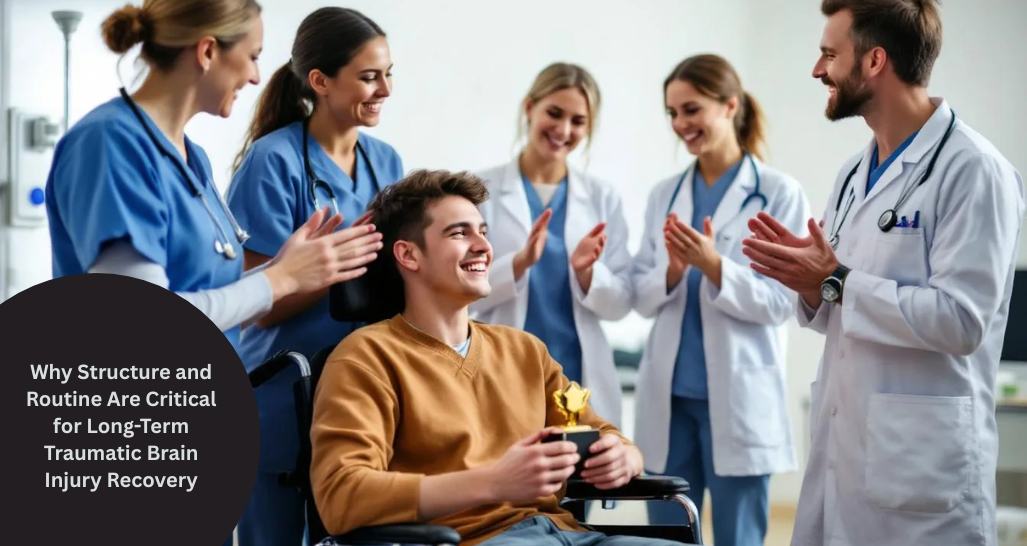

Traumatic brain injury (TBI) recovery does not end when a patient leaves the hospital or completes acute rehabilitation. For many adults, especially those with moderate to severe injuries, recovery is a long-term journey that requires consistency, predictability, and a supportive environment. While medications and therapies play an important role, research and real-world outcomes increasingly point to one essential factor: structure.

A structured daily routine can reduce stress, improve cognitive functioning, and help individuals with TBI regain confidence and independence over time. Yet this aspect of recovery is often underestimated or inconsistently applied once formal rehab ends.
Understanding the Ongoing Challenges of Traumatic Brain Injury
Traumatic brain injuries affect each person differently depending on the location and severity of the injury. Even years after the initial event, many adults continue to experience persistent symptoms that interfere with daily life.
Common long-term challenges include:
- Memory and attention deficits
- Slowed processing speed
- Difficulty with executive functioning and decision-making
- Emotional regulation issues, including anxiety, depression, and irritability
- Sensory sensitivities and fatigue
According to the Centers for Disease Control and Prevention (CDC), millions of Americans live with long-term disability related to TBI, requiring ongoing support beyond acute medical care. These challenges often worsen in unstructured or chaotic environments, making routine-based living a critical component of recovery.
How Structure Supports Cognitive and Emotional Healing
The injured brain thrives on predictability. Structure reduces the cognitive load required to navigate daily tasks, allowing the brain to focus energy on healing rather than constant adaptation.
Key benefits of structured routines include:
- Reduced anxiety and agitation caused by uncertainty
- Improved memory retention through repetition
- Greater emotional regulation and mood stability
- Stronger sleep-wake cycles, which are essential for neurorecovery
The National Institute of Neurological Disorders and Stroke (NINDS) emphasizes that consistent behavioral strategies and environments play a significant role in long-term brain injury rehabilitation.
Without structure, individuals with TBI may struggle with missed medications, irregular sleep, poor nutrition, and reduced therapy adherence—factors that significantly slow recovery progress.
The Role of Daily Routines in Regaining Independence
Recovery is not just about symptom management; it’s about rebuilding life skills. Structured routines provide safe opportunities for individuals with TBI to practice daily living tasks repeatedly and confidently.
These routines often include:
- Scheduled medication management
- Set times for meals, hygiene, and sleep
- Planned therapy sessions and cognitive exercises
- Supervised community activities and skill-building
Over time, repetition strengthens neural pathways and helps individuals relearn essential tasks such as cooking, budgeting, communication, and self-care. This gradual rebuilding fosters independence while minimizing the risk of setbacks.
Organizations like the Brain Injury Association of America highlight structured skill practice as a core element of effective post-acute brain injury care.
Why Environment Matters as Much as Therapy
Even the best therapy programs can fall short if the living environment lacks consistency. Many adults with TBI struggle in settings where expectations change daily or where supervision is limited.
A supportive environment should offer:
- Clear expectations and visual cues
- Consistent staffing familiar with individual triggers and needs
- Calm, low-stimulation spaces
- Immediate support when challenges arise
This is where residential recovery settings with structured programs for TBI become especially valuable. When routines are embedded into daily life—rather than applied only during therapy sessions—progress becomes more sustainable and meaningful.
Managing Co-Occurring Conditions Through Structure
Many individuals with TBI also experience co-occurring conditions such as PTSD, anxiety disorders, depression, or seizure disorders. These conditions often interact with brain injury symptoms, increasing complexity.
Structured living helps by:
- Ensuring medication consistency
- Monitoring behavioral and emotional changes
- Reducing triggers that lead to escalation
- Coordinating care across medical and behavioral providers
According to research published by the National Institutes of Health (NIH), coordinated, routine-based care improves outcomes for patients with neurological and psychiatric overlap.
Consistency allows caregivers and clinicians to spot subtle changes early, preventing crises before they occur.
Long-Term Recovery Is Built on Daily Follow-Through
One of the biggest misconceptions about TBI recovery is that progress should be fast or linear. In reality, meaningful improvement often happens slowly, through steady daily repetition.
Structured routines create:
- Measurable progress through weekly or monthly tracking
- Confidence through small, consistent wins
- Motivation rooted in achievable goals
- A sense of purpose through meaningful daily activities
This type of recovery-focused living emphasizes dignity and participation, not just supervision. It recognizes that healing continues long after formal rehabilitation ends.
Choosing the Right Support System for TBI Recovery
For families navigating post-acute brain injury care, the key question is not just what therapies are offered, but how daily life is structured. Programs that integrate clinical oversight, life skills training, and predictable routines provide the strongest foundation for long-term success.
When evaluating options, families should consider:
- Level of staff supervision
- Consistency of daily schedules
- Integration of therapy into everyday activities
- Emphasis on independence and quality of life
The right environment can make the difference between stagnation and meaningful progress.
Final Thoughts: Structure Is Not Restrictive—It’s Restorative
For adults living with traumatic brain injury, structure is not about limitation—it’s about empowerment. Predictable routines, supportive environments, and consistent care allow individuals to rebuild skills, regain confidence, and move forward with stability.
Long-term recovery is rarely dramatic, but with the right structure in place, it is absolutely possible.