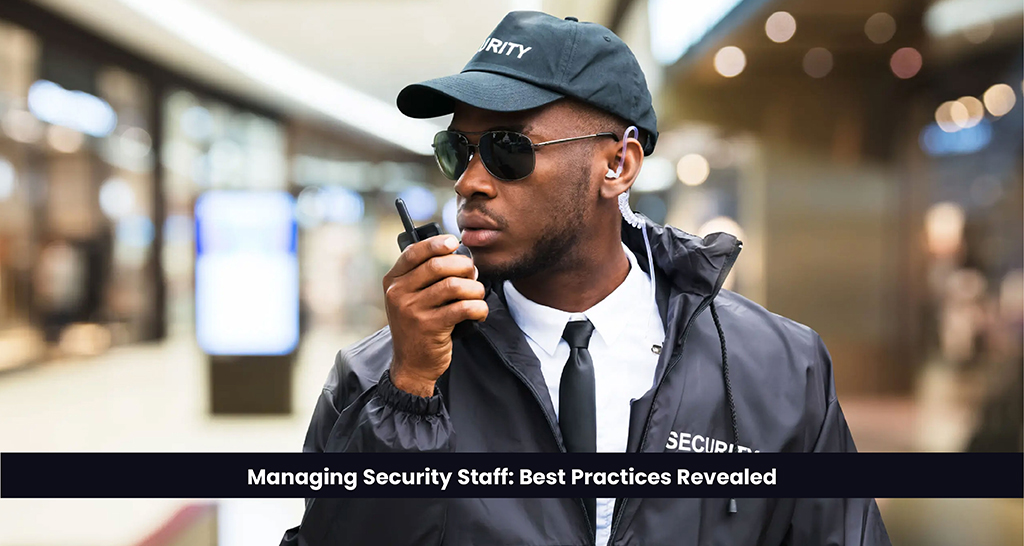

Effective management of security personnel is necessary for any organization wanting to provide safety and reliability. With adequate guidance and constant handholding, we know how to make it work. Leaders can build a solid team with a strong foundation ready for anything by concentrating on best practices.

Hiring the Right Individuals
Even the most qualified security team will have hiccups if they are not hiring honest and decent people. Background Screening, skill testing, and behavioral interviews can assist in identifying the role-suited candidates. Job descriptions should clearly outline expectations for applicants before they participate in the hiring process, not after. As such, it keeps turnover down and develops a reliable workforce prepared to tackle the security issues they will face. Exploring how to manage security guards reveals strategies for boosting efficiency and ensuring compliance in security operations.
Training for Excellence
Continuous training keeps security personnel ready to respond to evolving risks and processes. For the first few days, employees participate in orientation sessions that include a review of company policies, an explanation about using equipment, and details of what to do in an emergency. Regular drills and scenario-based training enhance response times and decision-making. Ongoing learning opportunities keep personnel up-to-date with fresh knowledge and new approaches.
Clear Communication Channels
Well, clear communication helps in the smooth running of operations and the fastest execution of the tasks. Supervisors should offer specific guidelines as well as shortcuts to ask as many questions as the team wants. By holding regular meetings, you have transparency and keep people in the loop with any new developments. They also help resolve any confusion that could escalate into a major issue.
Setting Expectations and Accountability
Clearly designated tasks and duties avoid any ambiguity in day-to-day affairs. Procedures are put down in writing, clarifying the scope of responsibilities, points of reporting, and what to do in emergencies. Performance reviews enable staff to better see the connection between their work and larger objectives. Team members are more certain of their actions and decisions when standards are defined.
Encouraging Teamwork and Respect
Build strong relationships, and you also grow your morale and productivity. Fostering collaboration promotes trust among team members. When leaders celebrate wins, it fosters a safe space where everyone feels valued. This approach creates a belief system where people are more likely to give each other the benefit of the doubt when conflict arises and support each other when they need it, when everything is built on respect.
Providing the Right Tools
Reliable equipment guarantees that security personnel are on duty. Uniforms, comm devices, and surveillance gear have to be well-maintained. Inspection and replacement at regular intervals prevents failures of the equipment. Employees should also be trained on how to use any new tools or systems that are implemented.
Prioritizing Safety and Well-being
Security personnel are often required to manage stressful or difficult situations. Maintaining high performance is essential, which relies on both physical health and emotional well-being. Providing scheduled breaks, access to support services, and stress management resources demonstrates leadership concern for team members. A sharper, fitter workforce better manages both emergencies and everyday tasks.
Responding to Incidents Effectively
Leaving less doubt about the incident response process accelerates finding a solution. This means that staff need to know how to report problems, talk to law enforcement, and keep themselves safe. Debrief meetings after any incident help identify lessons and improve future events. Having written records will hold everyone accountable and provide a reference point when following up on anything.
Builds a Continuous Improvement Culture
The empowerment of security staff to explore innovative and enhanced methods of operation fosters a culture of learning. Feedback sessions and open forums regularly allow everyone in the team to provide suggestions. Acknowledging innovation encourages others to join in moving forward. Organizations also retain talent and a more flexible workforce by promoting internal mobility
Recognizing and Rewarding Performance
A significant motivating factor is the recognition of individuals for their dedicated work, which also enhances job satisfaction. Recognizing staff through public acknowledgments, certificates of recognition, and opportunities for movement up the leadership ladder encourage staff to reach for a higher standard. When you reward positive behavior, others will come on board. Rewarding each accomplishment, be it major or minor, cements loyalty and pride within the group.
Conclusion
When it comes to security staff management, you need to do it in a way that is based on trust and support. With careful hiring, continuous training, and transparent communication, organizations develop resilient teams prepared for any challenge. A culture of prioritizing well-being, teamwork, and recognition fosters a positive and healthy environment in which people thrive. Together, these best practices keep security operations reliable, resilient, and responsive.