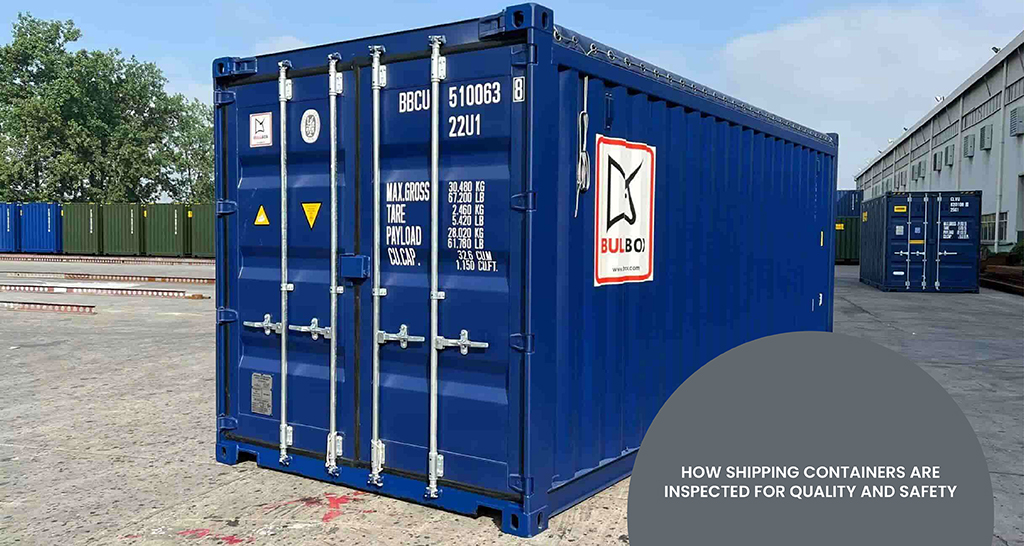

Shipping containers are engineered to endure heavy loads, repeated handling, and prolonged exposure to harsh marine and inland environments. Any weakness in structure or materials can lead to cargo damage, handling incidents, or safety violations during transport. Because of these risks, standardized inspection procedures are used to verify that containers remain safe and reliable throughout their operational life.

When sourcing equipment, buyers often evaluate options such as a 20ft flat rack at Pelican Containers for projects across the USA. Inspection findings help determine whether these units can safely support loads, withstand repeated handling, and comply with applicable safety requirements.
Initial Visual and Structural Inspection
The inspection process begins with a thorough visual and structural examination of the container. Inspectors assess the exterior and interior to identify visible damage that may affect strength, weather resistance, or handling safety. This stage determines whether the container can proceed to more detailed evaluation.
Structural alignment is closely reviewed because distortion can compromise stacking stability and lifting accuracy. Inspectors look for signs of impact, overstress, or poor-quality repairs that may weaken load-bearing elements. Containers showing critical defects may be removed from service or scheduled for major repair.
Typical elements reviewed during this stage include:
- Side walls and end walls for dents, cracks, or buckling
- Roof panels for punctures, depressions, or water ingress marks
- Corner posts and corner castings for deformation or fractures
- Doors, hinges, and locking rods for full operational function
- Interior surfaces for contamination or impact damage.
Dimensional and Load Capacity Verification
After passing visual inspection, the container undergoes dimensional and load capacity verification. Containers must remain within ISO tolerance limits to ensure compatibility with cranes, chassis, rail systems, and stacking equipment. Deviations from these limits can increase handling risks and reduce operational efficiency.
Inspectors measure external dimensions, internal clearances, and door openings using calibrated tools. Floor leveling and deflection are checked to confirm even load distribution under static conditions. Weight markings are reviewed to ensure that rated capacities remain accurate and legible.
Key checks typically include:
- External length, width, and height against ISO specifications
- Door opening dimensions for unobstructed cargo access
- Floor deflection under static load conditions
- Corner casting alignment for safe lifting and stacking
- Maximum gross weight and payload markings.
These checks confirm that the container can safely support its rated loads during lifting, transport, and stacking operations.
Material Condition and Component Integrity
Material condition has a direct impact on container safety and service life. Inspectors examine steel components, protective coatings, and flooring systems to identify deterioration that may not be obvious during a basic review.
Steel Structure Evaluation
Primary load-bearing elements such as corner posts, top rails, and bottom rails are inspected for corrosion, fatigue cracking, and permanent deformation. Inspectors pay close attention to weld seams, which are common stress concentration points due to lifting forces and repeated stacking cycles. Defects in these areas can significantly reduce structural capacity and compromise overall container stability.
Corrosion-related steel loss is assessed visually and, when required, with measuring tools such as thickness gauges. Inspectors compare observed conditions against allowable tolerances defined by ISO and CSC standards. Particular focus is placed on lower rails and corner castings, as these components experience the highest cumulative stress during handling and transport.
Coatings and Corrosion Protection
Protective coatings shield steel surfaces from moisture, salt spray, and chemical exposure encountered during marine and inland operations. Inspectors evaluate paint adhesion, coating thickness consistency, and signs of blistering, peeling, or flaking across exterior and interior surfaces. Areas with exposed steel are documented due to their increased corrosion risk and accelerated deterioration.
Surface rust is distinguished from deeper structural corrosion during inspection. Light oxidation that does not penetrate the steel substrate is typically classified as cosmetic, while pitting or scaling indicates active corrosion requiring intervention. This distinction helps determine whether surface treatment is sufficient or whether structural repair is necessary.
Coating performance is also reviewed in relation to the container’s operating history. Containers used in coastal or high-humidity environments are assessed more strictly due to elevated corrosion exposure.
Floor and Subframe Inspection
The floor system supports cargo weight and repeated forklift traffic. Inspectors examine flooring panels for moisture damage, delamination, or chemical residue that may weaken material strength. Subframe cross members are checked for corrosion, bending, and weld integrity.
A compromised floor or subframe can create safety hazards during loading operations and may limit allowable cargo weight. During this phase, inspectors often record findings related to:
- Corrosion depth and affected surface areas
- Coating performance and protective coverage
- Weld quality at joints and reinforcements
- Floor panel condition and fastening security
- Evidence of previous repairs or modifications.
These recorded observations help classify containers by condition and determine appropriate future applications.
Regulatory Compliance and Documentation Review
In addition to physical condition, inspectors verify compliance with applicable regulations and standards. Documentation review confirms that the container meets legal requirements for transport and resale within regulated markets. Missing or inaccurate records can restrict container use.
The CSC Safety Approval Plate is a central element of this review. Inspectors confirm plate presence, legibility, and inspection validity dates. Serial numbers are matched to manufacturer records to confirm container identity.
Documentation checks typically include:
- CSC plate data and inspection validity
- Manufacturer identification and serial number accuracy
- Available maintenance and repair records
- Legibility of weight and payload markings
- Compliance with handling and transport standards.
Proper documentation ensures that containers can be used in intermodal operations without regulatory complications.
Using Inspection Results for Practical Decisions
Inspection results provide buyers with detailed insight into container condition and limitations. Reports explain whether a container is suitable for active transport, static storage, or limited-use applications. This clarity supports better alignment between container condition and project needs.
With inspection findings, buyers can plan maintenance, pricing, and deployment more effectively. Therefore, a structured inspection process remains essential for maintaining quality and reliability in shipping container use.